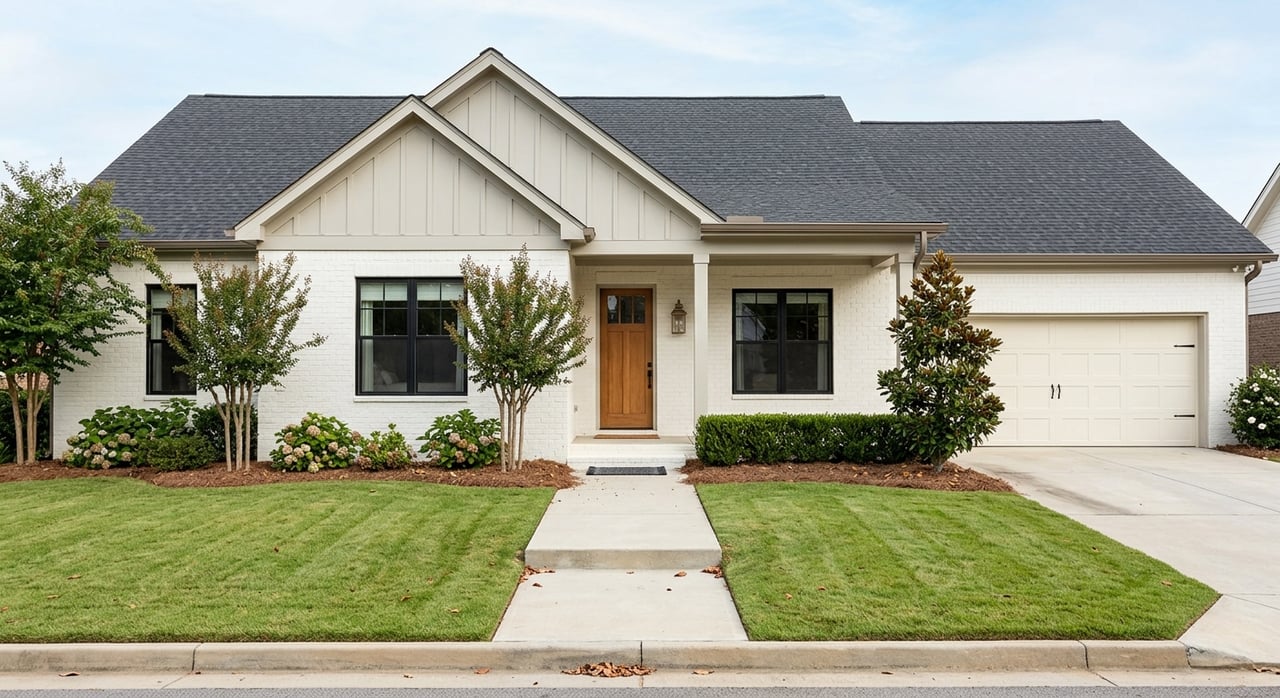
If you are wondering whether Auburn feels like a quiet college town or a growing small city, the honest answer is both. Life here blends university energy, outdoor access, and everyday convenience in a way that can feel exciting, practical, and sometimes a little busier than first-time buyers expect. If you are thinking about moving to Auburn, this guide will help you understand what day-to-day life really looks like so you can decide what kind of area and home may fit you best. Let’s dive in.
Auburn Has a College-City Feel
Auburn is growing quickly, and that growth shapes how the city feels. The U.S. Census Bureau estimates Auburn had 83,757 residents in July 2024, which is up 9.4% from 2020.
A big reason the city feels so active is Auburn University. The university reported 34,145 students and 12,335 employees in 2024-25, so the academic calendar has a real effect on traffic, events, restaurants, and the overall pace of life.
That means Auburn often behaves more like a college-centered mid-size city than a sleepy small town. You may notice busier seasons, more energy near campus, and a stronger connection between the university and everyday life than in many other East Alabama communities.
Daily Life Feels Active Year-Round
Auburn is not only busy during football season. City and census data show a highly educated population and a local economy strongly tied to education, health care, hospitality, and retail, which helps keep the city moving throughout the year.
In practical terms, that means you can expect a steady rhythm of work, dining, errands, recreation, and community events. Even outside major university weekends, Auburn tends to feel engaged and lived-in rather than quiet or slow.
For many buyers, that is part of the appeal. You get the convenience and activity of a growing city, but you are still in a place where parks, trails, and neighborhood life are a visible part of the day-to-day experience.
Outdoor Living Is a Big Part of Auburn
One of the clearest perks of living in Auburn is how easy it is to spend time outside. According to the city’s community profile, Auburn Parks & Recreation supports parks, athletic facilities, recreation centers, walking paths, and trails, with an emphasis on preserving green space as the city grows.
That matters if you want a lifestyle that includes walks after work, weekend park time, or easy access to outdoor spaces without a long drive. Auburn offers several options that work for different routines and interests.
Parks for Everyday Use
Kiesel Park is Auburn’s largest park and a local favorite for regular use. It includes a 2.25-mile trail, a pond, garden, pavilion, and an off-leash dog area, and it also hosts community events like CityFest and the Fall Sundown Concert Series.
Dinius Park is another useful everyday option, especially if you want a shorter walk or dog-friendly space. Opened in 2021, it includes two dog parks, a playground, shaded areas, a pond, and about 0.75 miles of walking trail.
Nature Close to Town
If you want something that feels more outdoorsy than a neighborhood park, Auburn has that too. The city profile highlights Chewacla State Park, the Kreher Preserve and Nature Center, and the Donald E. Davis Arboretum as major local assets.
Chewacla State Park is described as a 696-acre park with a lake, waterfall, campground, hiking, and mountain biking. The same city material notes that the arboretum is located near downtown on Auburn University’s campus, which makes nature access feel especially woven into everyday life.
Getting Around Outdoors
Auburn also stands out for bike access. City materials say Auburn is one of only two cities in Alabama named a Bicycle Friendly Community and has more than 40 miles of bike lanes, paths, and trails.
If you like to bike, walk, or simply have outdoor options built into your week, that can add a lot to your quality of life. It also gives the city a more connected feel than people sometimes expect.
Downtown Auburn Adds Energy and Convenience
Downtown Auburn is one of the biggest reasons the city feels lively. The Downtown Auburn district describes the area as a place for specialty shops, restaurants, and nightlife, and city planning documents note that the commercial core includes everything from coffee spots to casual dining and entertainment.
For you as a resident, that translates into easy access to places to meet friends, grab dinner, or spend part of a weekend without needing a big plan. It also means some parts of town feel more social and active than others.
Events Keep Downtown Moving
Downtown is not just about permanent businesses. Events like Downtown Auburn Restaurant Week and SummerNight Downtown Art Walk help keep the district active beyond normal business hours.
That gives Auburn a community-oriented feel that many buyers appreciate. There is often something going on, but the scale still feels manageable compared with a larger metro area.
Game Days Are Exciting and Noticeable
If you live in Auburn, football weekends are part of the experience. Jordan-Hare Stadium holds 87,451 people, and traditions like Tiger Walk and the pregame eagle flight bring major crowds and activity near campus.
For many residents, that energy is a fun part of living here. It creates a strong local identity and gives the city a unique seasonal rhythm that alumni, fans, and many full-time residents enjoy.
At the same time, game day is not just background noise if you live near downtown or campus. Auburn Parking Services notes that event schedules can change lot access, and parking and traffic patterns become much more noticeable in those areas.
Housing in Auburn Is Mixed
Auburn offers a wide range of housing types, which is one reason it appeals to first-time buyers, move-up buyers, and investors. According to city planning data, in 2022 apartments and condominiums made up 42.3% of housing units, while single-family detached homes made up 40.6%.
The same data show smaller shares of duplexes, townhouses, mobile homes, and mixed-use residential options. That mix gives buyers more choice, but it also means the feel of one area can differ a lot from another.
Near Campus Versus Farther Out
In general, areas closer to campus and downtown tend to feel more active and more rental-oriented. That is a reasonable takeaway based on Auburn’s housing mix, the concentration of university housing, and the fact that game-day activity centers around Jordan-Hare and downtown.
Farther from those hubs, single-family-oriented residential areas often feel quieter. If your goal is a calmer day-to-day setting, that is usually an important factor to weigh when choosing where to live.
Costs Set Real Expectations
Housing costs in Auburn are also worth noting early in your search. In the 2020-2024 American Community Survey, Auburn’s median owner-occupied home value was $364,800 and median gross rent was $1,098.
For context, those figures are above Alabama’s statewide numbers. That does not mean Auburn is out of reach, but it does mean buyers and renters should enter the market with realistic expectations about pricing and competition.
Neighborhood Life Is More Than Location
Auburn’s city government places visible attention on neighborhood livability. The city’s Neighborhood Outreach page says local neighborhoods are diverse in tradition, history, and culture, and it highlights programs such as the Neighborhood Conference, Citizens’ Academy, Love My Block, and the FixIt app.
That kind of infrastructure can matter more than buyers realize at first. It shows that as Auburn grows, the city is also paying attention to neighborhood communication, upkeep, and quality-of-life concerns.
The city also notes that Development Services works to support growth while protecting existing neighborhoods, and Traffic Engineering accepts traffic-calming requests for speeding or cut-through traffic in residential areas. For you, that is a reminder that lifestyle fit is not only about the house itself, but also about how an area functions over time.
Who Auburn Tends to Fit Best
Auburn can work well for a few different kinds of buyers and residents. If you want a city with strong university ties, outdoor access, a walkable downtown core, and a full calendar of activity, Auburn offers a lot.
It may also appeal to you if you are looking for a home near campus, a condo or townhome with convenience, or an investment property tied to visitor demand and university-driven traffic. At the same time, if you prefer a quieter setting, it helps to focus your search on residential areas farther from downtown and stadium activity.
The key is knowing that Auburn is not one-note. It has lively pockets, quieter pockets, a wide housing mix, and a daily rhythm that is shaped by both long-term residents and university life.
What to Keep in Mind Before You Move
Before you choose a home in Auburn, think beyond square footage and price. Consider how close you want to be to campus, how you feel about game-day traffic, and whether you want more walkable convenience or a more tucked-away residential setting.
It also helps to think about how you want to spend your free time. If parks, trails, downtown dining, and community events matter to you, Auburn offers a lifestyle that is easy to plug into.
If you are planning a move and want help matching your goals to the right part of the market, Carter Pair can help you sort through Auburn’s different housing options with a clear, organized approach.
FAQs
What is everyday life like in Auburn, Alabama?
- Everyday life in Auburn feels active and university-influenced, with a mix of work, dining, parks, events, and seasonal energy tied to Auburn University.
Is Auburn, Alabama, only busy during football season?
- No. Football weekends are a major part of the local rhythm, but Auburn also stays active year-round because of the university, local employment, parks, downtown businesses, and community events.
What kinds of homes are common in Auburn, Alabama?
- Auburn has a mixed housing stock that includes apartments, condominiums, single-family homes, townhomes, duplexes, and some mobile homes.
Do areas near Auburn University feel different from other parts of Auburn?
- Yes. Areas near campus and downtown generally feel more active and more rental-oriented, while many residential areas farther out tend to feel quieter.
Is Auburn, Alabama, a good place for outdoor recreation?
- Yes. Auburn offers city parks, trails, dog parks, bike infrastructure, and easy access to places like Kiesel Park, Dinius Park, and Chewacla State Park.