Thinking about selling your home in Auburn? In a market where buyers have options, a smooth sale usually does not happen by accident. If you want strong interest, fewer surprises, and a more confident path to closing, it helps to start with a clear plan. Here’s how to prepare, price, and navigate your Auburn home sale with less stress and better traction.
Understand Auburn market conditions
Auburn’s housing market has been active, but it is not a place where sellers can count on an easy win just by putting a sign in the yard. Recent market snapshots show meaningful inventory, steady new listings, and buyers who can compare multiple homes before making an offer.
In March 2026, Redfin reported a median sale price of $405,000, 31 median days on market, and 97 homes sold in Auburn. Zillow’s April 30, 2026 snapshot showed 408 homes for sale, 142 new listings, and homes going pending in about 17 days.
Different platforms describe the market a little differently, but the practical takeaway is the same. Preparation, pricing, and presentation matter. If your home is well positioned from day one, you give yourself a better chance to attract serious buyers and protect your leverage.
Price for today’s buyers
One of the most important parts of a smooth sale is setting the right price at launch. In Auburn, current numbers suggest that starting too high can work against you.
Zillow’s March 2026 Auburn snapshot showed a median sale-to-list ratio of 0.985. It also reported that 11.8% of sales closed over list price, while 66.8% sold under list price. Redfin similarly noted that homes sold for about 2% below list on average.
That does not mean you should underprice your home. It means your list price should be supported by local comparable sales, current competition, and your timing needs. A well-supported price can help your listing stay competitive, while an aggressive first price can slow momentum and lead to stale market time.
Why first-week momentum matters
The first days on market often bring the most attention. Buyers who are actively watching Auburn listings tend to notice new inventory quickly, and they can also recognize when a home feels overpriced compared with other options.
If your home enters the market at a realistic price, you may create stronger early interest and better showing activity. If it starts too high, you may miss that initial window and end up adjusting later after valuable momentum has faded.
Choose timing based on Auburn, not headlines
You have probably heard broad advice about the “best” month to sell a home. In reality, timing is local.
Zillow notes that the best time to list varies by metro, and Realtor.com also says an area’s peak can differ from the national pattern. For Auburn sellers, that means your ideal launch date should be based on local inventory, nearby comparable listings, and your own move timeline, not just a national headline.
A smooth sale usually comes from matching your timing to the market around you. If competing inventory is rising, your prep and pricing may need to be even sharper. If your next purchase or relocation has a fixed deadline, your strategy should support that reality from the start.
Prep your home for photos and showings
Before buyers ever step through the front door, they usually meet your home online first. That makes visual presentation a big part of your selling strategy.
According to the National Association of Realtors 2025 Profile of Home Staging, 83% of buyers’ agents said staging made it easier for buyers to visualize a future home. The same report found that 49% of sellers’ agents said staged homes spent less time on market, and 29% said staging increased the dollar value offered by 1% to 10%.
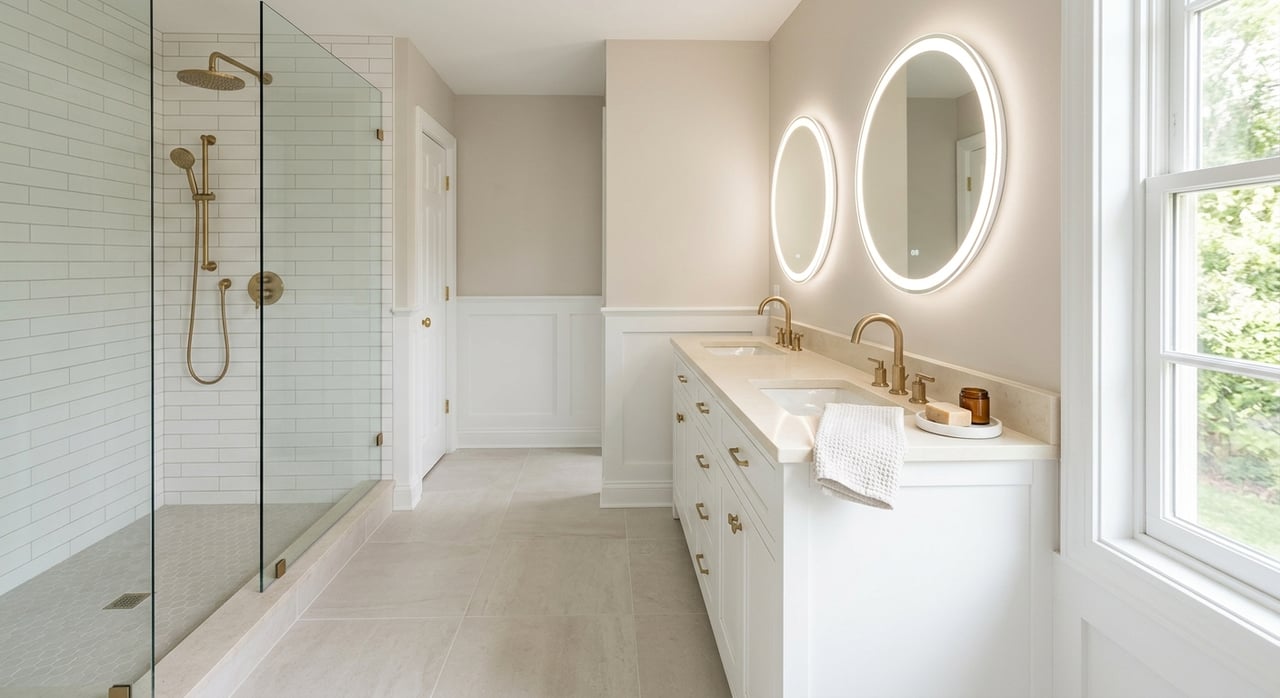
You do not always need a full redesign to make a strong impression. Often, the goal is to help your home feel clean, bright, open, and easy for buyers to understand.
Focus on the rooms buyers notice most
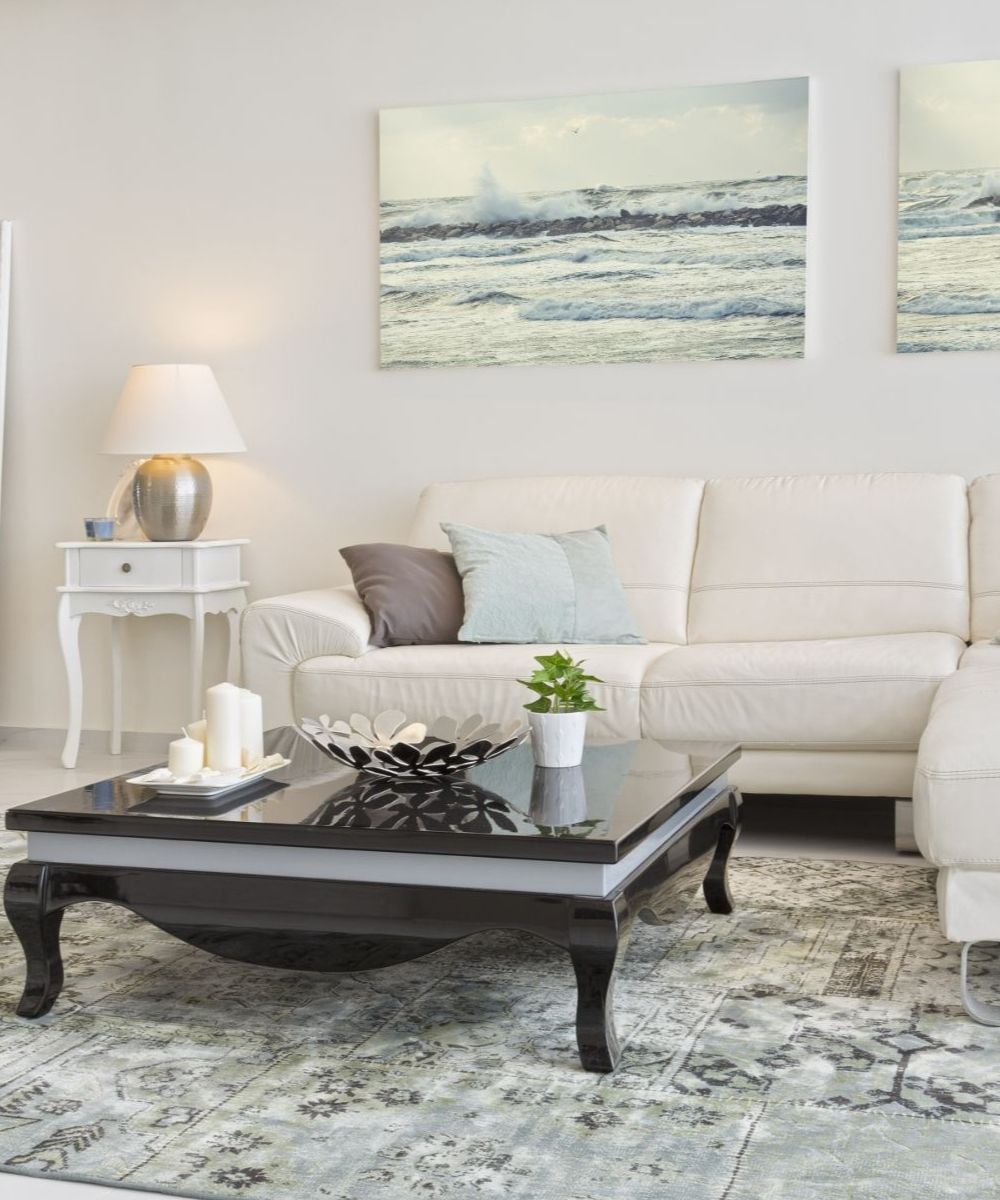
The rooms most often staged are the living room, primary bedroom, dining room, and kitchen. Those spaces tend to do a lot of work in listing photos and in-person showings.
If you are short on time or budget, start there. A few targeted updates in high-visibility spaces can improve how your whole home is perceived.
Simple photo-prep steps
NAR’s staging guidance includes several practical ways to improve presentation before photos and showings:
- Maximize natural light
- Use neutral wall colors
- Open up the space where possible
- Streamline decor and remove distractions
- Replace worn carpet with wood, vinyl, or tile when appropriate
- Show how a room can serve multiple functions
- Add storage where needed
These steps can help buyers focus on the home itself instead of your belongings or deferred maintenance. In a market where buyers have choices, that clarity matters.
Make showings easier on yourself
Showings can feel disruptive, especially if you are still living in the home. A little planning can make the process much more manageable.
Try to create a simple pre-showing routine so you are not scrambling every time a request comes in. Keep counters clear, open blinds, turn on lights when needed, and have a plan for pets, laundry, and everyday clutter.
The easier your home is to show, the easier it is for interested buyers to see it quickly. That flexibility can be especially helpful when new listing traffic is strongest.
Plan for Alabama seller disclosures and closing details
A smooth sale is not just about marketing. It also depends on handling the legal and transaction side carefully.
For existing homes, Alabama follows caveat emptor. According to the Alabama Real Estate Commission, sellers and their agents generally are not required to disclose defects unless asked, except for defects that may pose an immediate health or safety risk. However, if a buyer asks about a condition, you and your agent must not misrepresent the property.
That makes organized communication especially important. If questions come up about the roof, HVAC, plumbing, or other conditions, clear and accurate answers help reduce the chance of confusion later.
Lead-based paint rules for older homes
If your home was built before 1978, there is an additional federal requirement. Sellers must disclose known information about lead-based paint, provide the EPA/HUD pamphlet, and allow a 10-day period for lead testing unless that period is waived.
If your home falls into this category, it helps to address that paperwork early. That way, you are not trying to sort it out at the last minute.
Know common Alabama closing costs
Sellers should also be aware of certain closing-related costs in Alabama. The state’s deed recordation tax is $0.50 per $500 of value, or fraction thereof.
If you are a nonresident selling Alabama real property, Alabama may also require 3% or 4% withholding unless an exemption applies or the gain-based method is used. These details can affect your net proceeds, so it is smart to review them before you list.
Stay organized once offers arrive
Once your home is active, things can move quickly. That is where a clear process can make a major difference.
Under Alabama law, licensees must present offers and counteroffers. In single-family residential sales, they must also furnish a complete estimated closing statement each time they present or prepare a written offer or counteroffer. That structure helps sellers compare options with a clearer picture of the numbers.
When multiple terms are in play, price is only one piece of the puzzle. Closing date, contingencies, repair requests, financing strength, and net proceeds all shape how smooth the path to closing will feel.
Build your sale around a real plan
The cleanest home sales usually start well before the listing goes live. When you know your timing, prep priorities, pricing approach, and likely closing costs, each next step becomes easier.
That kind of planning is especially helpful if you are also buying another home, relocating, downsizing, or managing a major life transition. Instead of reacting to every new development, you can move forward with more confidence and fewer surprises.
For many sellers, the goal is not just to sell. It is to sell with less friction, clearer expectations, and a process that feels under control from start to finish.
If you are getting ready to sell in Auburn, working with an organized local agent can help you line up the details, avoid preventable delays, and make smart decisions from list date to closing. When you’re ready for a more streamlined approach, contact Carter Pair.
FAQs
How long does it take to sell a home in Auburn?
- Recent Auburn market snapshots showed median days on market around 31 and pending timing around 17 days, but your timeline can vary based on pricing, presentation, condition, and current competition.
Should I price my Auburn home above market value to leave room to negotiate?
- Current Auburn data suggests that starting too high can slow momentum, so a price based on local comparable sales and active competition is usually a better strategy than testing an aggressive number.
What rooms matter most when preparing an Auburn home for sale?
- The living room, primary bedroom, dining room, and kitchen are commonly staged first because they tend to have the biggest impact in photos and showings.
Do Alabama sellers have to disclose problems with a home?
- For existing homes, Alabama generally follows caveat emptor, but sellers and their agents must not misrepresent property conditions when asked, and defects that pose an immediate health or safety risk are treated differently.
What if my Auburn home was built before 1978?
- If your home was built before 1978, federal law requires disclosure of known lead-based paint information, delivery of the EPA/HUD pamphlet, and a 10-day test period unless waived.
What Alabama closing costs should sellers plan for?
- Alabama sellers may need to account for costs such as the deed recordation tax, and nonresident sellers may also need to plan for state withholding requirements if applicable.