You can absolutely live near Auburn University without feeling like you live in the middle of campus life. In Auburn, that matters because the university is a major part of the city, with 35,172 students in Fall 2025, and downtown sits just steps from campus. If you want the convenience of Auburn access without constant event-night energy outside your door, the key is knowing how near-campus living actually works. Let’s dive in.
Near Campus in Auburn Means More Than One Block
Auburn University and downtown Auburn overlap in a way that shapes daily life. The city describes downtown as a central place for shopping, dining, gathering, and events, while Auburn University materials make clear that downtown and campus are within an easy walk of each other.
That means “near campus” in Auburn usually does not mean a separate pocket cut off from university activity. Instead, it often means living within a broader ring around campus where you can still reach university destinations and downtown fairly easily, but with a little more breathing room.
For many buyers, that is actually the sweet spot. You get access to the energy and convenience that make Auburn popular, while avoiding the feeling of being right in the middle of the busiest streets.
Why Some Areas Feel Too Close
If you have ever visited downtown Auburn on a busy weekend, you have probably felt the difference right away. The city hosts nearly 60 special events each year, and downtown events include the SummerNight Downtown Art Walk, Cheers on the Corner, the Auburn University Homecoming Parade, Jingle Jog, and the Christmas Parade.
Those events are part of what makes Auburn fun and memorable. They also mean that homes closest to the downtown-campus edge can experience more traffic, more foot activity, and more parking competition at certain times of year.
Downtown Auburn also includes an Entertainment District with designated boundaries around parts of the core area. On event nights, that can create a more social atmosphere than some buyers want for everyday living.
If your goal is quiet evenings, easy guest parking, and a more predictable routine, being one step removed from that core can make a big difference.
The Best Balance Is the Near-Campus Ring
One of the most helpful ways to think about this search is as a ring of corridors around campus rather than a single campus-adjacent zone. That idea is supported by Auburn University’s Tiger Transit system, which includes 7 on-campus routes and 15 off-campus routes serving areas such as East Glenn, Magnolia, North Auburn, North College, North Dean, North Donahue, South Auburn, South College, West Glenn, Wire Road, and others.
This does not create official neighborhood boundaries, but it does show how campus access stretches beyond the blocks immediately next to Auburn University. In practical terms, you may be able to live a bit farther from downtown and still stay connected to the places you visit most.
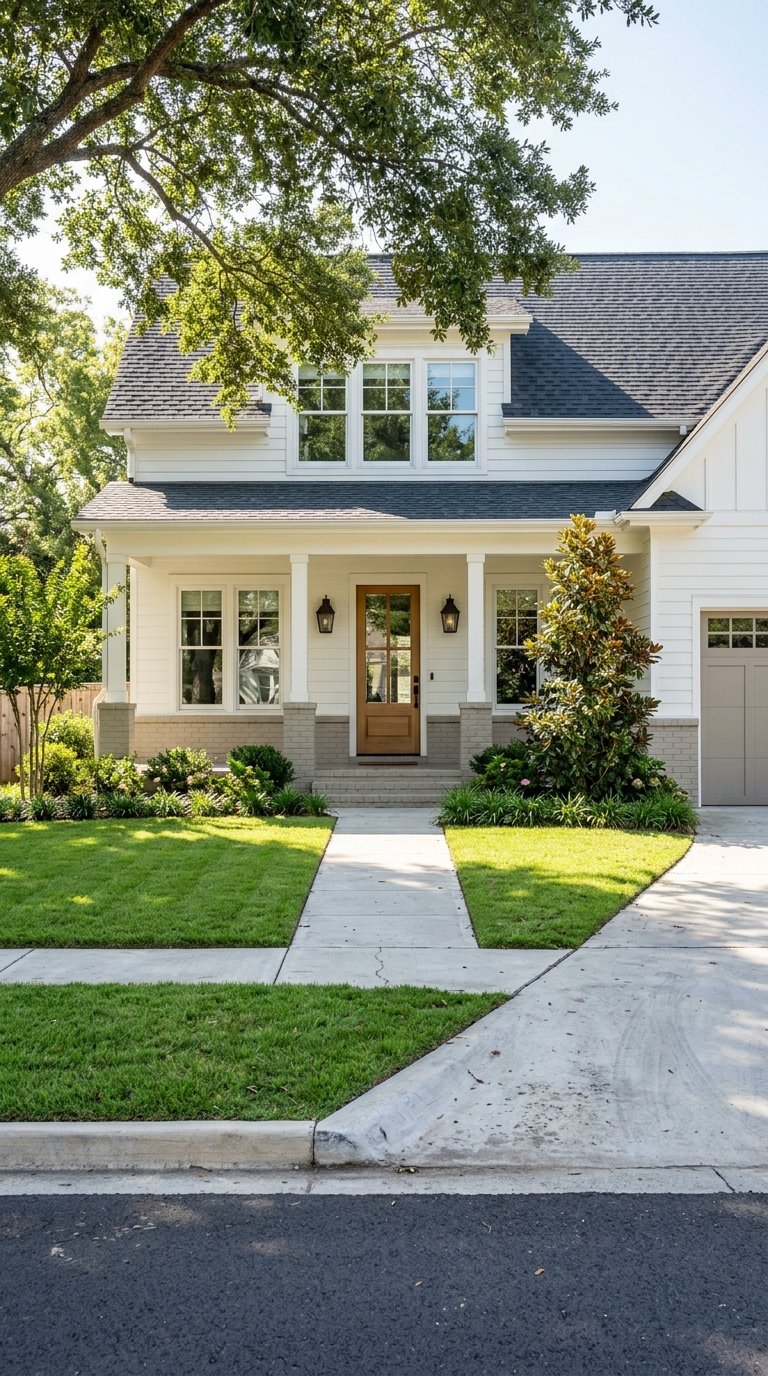
That is often where buyers find the best mix of convenience and comfort. You can keep campus, downtown, and game-day destinations within reach while choosing a setting that feels more residential day to day.
What Daily Life Looks Like
Living near Auburn without feeling too close usually comes down to your daily rhythm. If you like grabbing dinner downtown, attending campus events, or being able to get to university destinations quickly, a near-campus location can be a smart fit.
At the same time, you may not want your home environment to mirror downtown’s activity level. Auburn’s city center is designed to be active and welcoming, with shopping, dining, gathering spaces, and recurring event programming.
That is why buyers often do best when they focus on how they want home to feel, not just how quickly they can get to campus. A short drive or an easy route can sometimes serve your lifestyle better than being within a few blocks of the action.
Parking Matters More Than You Think
Parking is one of the clearest quality-of-life differences between living very close to campus and living just outside the busiest areas. In downtown Auburn, on-street parking along Magnolia, College, Gay, Tichenor, and Wright is paid parking Monday through Friday from 8 a.m. to 6 p.m., then free after 6 p.m. and on weekends.
The Wright Street Parking Deck has 350 public spaces and charges by the hour, with a $40 flat rate on Auburn football home-game Saturdays. The city also points to free parking within about a 10-minute walk of Toomer’s Corner at the East Glenn Avenue Municipal Parking Lot, Felton Little Park, and the Douglas J. Watson Municipal Complex, along with the 500-space Burton Street Parking Deck.
That setup works well for visitors, but it also shows why nearby residents should think carefully about access and overflow during busy periods. The city notes that balancing parking for students, residents, and businesses is an ongoing challenge, and illegal parking can lead to towing.
If you want less friction, this is one of the strongest reasons to look just beyond the most active blocks. A little distance can mean a lot more ease.
Game Days Change the Equation
Home football weekends bring the biggest shift in traffic and parking patterns. Auburn Parking Services says several campus lots must be cleared by Friday before each home game, including the Stadium Deck, Arena Lot, Magnolia/Donahue, West Village, Poultry Science, and the RBD Library Deck.
For nearby homeowners, renters, and frequent visitors, that matters. Even if you love the Auburn atmosphere, game day can affect routes, parking habits, and how easily guests come and go.
This does not mean you should avoid near-campus living. It simply means you should choose your distance intentionally, based on how much event-day energy you want to experience from your front door.
Who Usually Likes This Location Best
Near-campus Auburn tends to work best for people who want Auburn access as part of everyday life. That can include faculty and staff, alumni, graduate students, frequent campus visitors, and buyers who value downtown convenience but do not necessarily want to live in the center of the most active streets.
It can also be a strong fit for buyers considering condos, townhomes, or houses with visitor appeal tied to university events and Auburn travel patterns. If your goals include flexibility, convenience, or investment potential, the near-campus ring may offer options worth exploring.
On the other hand, if your top priorities are very quiet streets, simpler parking, and a more suburban routine, you may prefer to look a bit farther from the downtown-campus overlap. Auburn can still work well for you, but the right location may be outside the immediate edge of campus life.
What to Prioritize in Your Search
If you want to live near Auburn University without feeling too close, focus on the details that affect your routine most:
- Your typical route to campus, downtown, or work
- How often you expect to visit downtown on evenings and weekends
- Your comfort level with special events and football traffic
- Guest parking and everyday parking convenience
- Whether you want walkable access or simply quick access
- The kind of home setting that feels restful to you
These questions can narrow your search quickly. In Auburn, the difference between “convenient” and “too close” is often less about miles and more about how your daily life will function.
A Smart Auburn Strategy
The best near-campus home is usually not the one closest to Auburn University on a map. It is the one that supports the way you actually want to live.
That might mean a condo or townhome with easier access to Auburn destinations. It might mean a single-family home in a more residential setting that still keeps downtown and campus within reach. It might even mean buying with future visitor or investment flexibility in mind while protecting your own comfort.
A careful, block-by-block approach matters here. In a market like Auburn, small location differences can create a very different day-to-day experience.
If you want help finding that balance, Carter Pair can help you compare Auburn options with a clear, practical strategy that fits your goals.
FAQs
What does living near Auburn University usually mean in Auburn?
- In Auburn, living near campus often means being within a broader ring around Auburn University and downtown rather than on a single campus-edge block, since downtown and campus closely overlap.
What makes some Auburn homes feel too close to campus?
- Homes closest to the downtown-campus core may feel busier because of frequent events, entertainment activity, parking demand, and football weekends.
How does parking work near downtown Auburn?
- The City of Auburn says some downtown on-street spaces are paid Monday through Friday from 8 a.m. to 6 p.m., while public decks and lots offer additional options that can become especially important during events and game days.
Is Tiger Transit helpful for near-campus Auburn living?
- Auburn University’s Tiger Transit includes multiple off-campus routes, which shows that convenient campus access extends beyond the blocks immediately next to campus.
Who is a good fit for near-campus living in Auburn?
- This location often fits buyers who want regular access to Auburn University and downtown, including faculty, staff, alumni, graduate students, frequent visitors, and some buyers exploring investment-friendly properties.
Should you live farther from Auburn University if you want more quiet?
- If you want more predictable parking, less event activity, and a more suburban day-to-day feel, you will likely want to look a bit farther from the immediate downtown-campus edge.