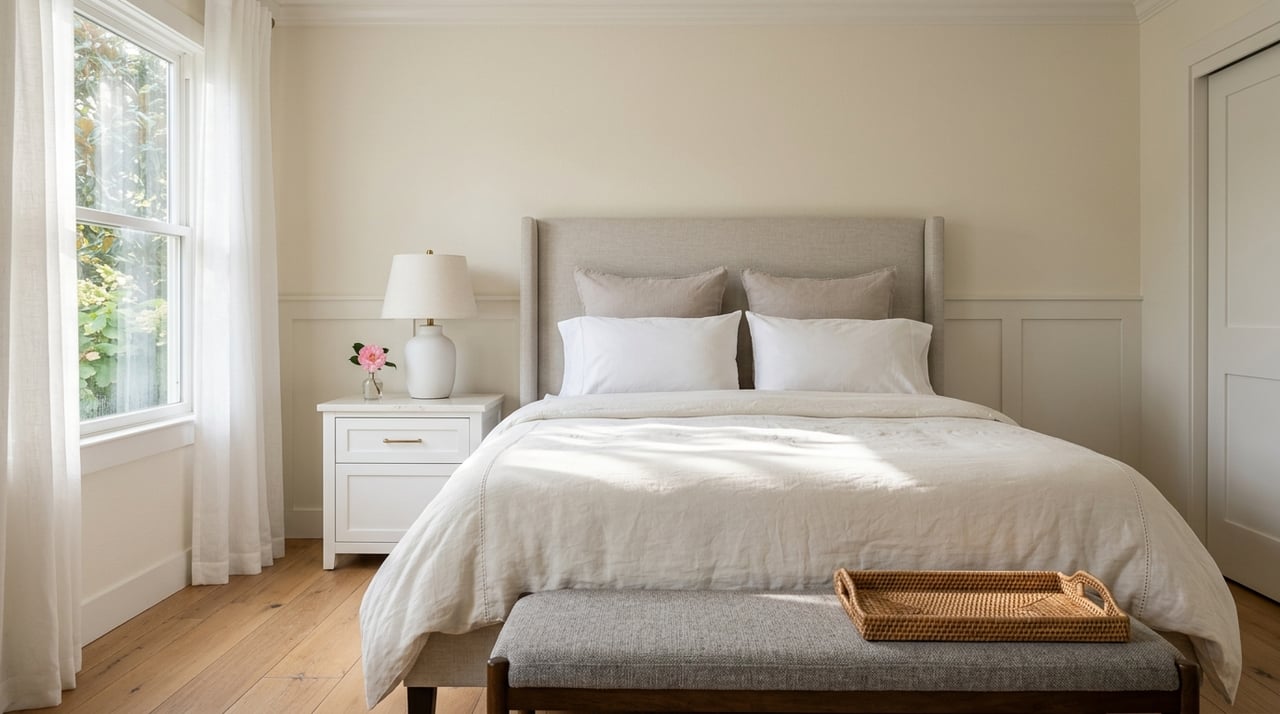
If you have been thinking about buying a short-term rental near Auburn, you are not alone. Between football weekends, university events, and year-round visitor traffic, Auburn draws steady interest from buyers who want a property that can serve guests and fit a smart long-term plan. The key is knowing that not every home works the same way here, and local rules matter from day one. Let’s dive in.
Why Auburn draws short-term rental interest
Auburn has a clear visitor-based demand pattern. Auburn-Opelika Tourism highlights football weekends, tournaments, concerts, meetings, and getaways as major reasons people visit throughout the year. That creates a market that is shaped by events rather than constant, even demand.
Football weekends stand out the most. Auburn’s 2026 football schedule includes six home games at Jordan-Hare Stadium, which seats 88,043. When that many fans come to town, nearby lodging options naturally get more attention.
The calendar does not stop with football. Auburn University also brings visitors for commencement ceremonies, move-in periods, and Family Weekend. In 2026, commencement is scheduled for May 1 through 4 and Aug. 8, while university housing move-in dates fall in January, May, late July, early August, and mid-August, with Fall Family Weekend set for Sept. 25 through 27.
Start with Auburn’s STR rules
Before you look at finishes, bedroom counts, or projected income, start with the city’s rules. Auburn recognizes two short-term rental models, and the difference affects what you can buy and how you can use it.
A homestay is owner-occupied lodging in your permanent residence. A short-term non-primary rental is an entire dwelling that is not your permanent residence and is leased to one party for fewer than 30 consecutive days. Auburn also requires the appropriate permit first, followed by a short-term rental business license.
The city provides guidance and an interactive map showing where short-term rentals are allowed. That means location screening should happen early, not after you are already under contract. For many buyers, this one step can save time, money, and frustration.
What the operating limits mean
Local rules shape strategy as much as they shape compliance. Short-term non-primary rentals are limited to 240 operating days per calendar year. Homestays have different limits, including a requirement that the owner occupy the dwelling for more than 180 days and be absent no more than 90 days per licensing year.
For some buyers, that is manageable. For others, it changes the whole investment model. If you want a more passive setup, a homestay is usually not the right fit under Auburn’s current rules.
Auburn is not allowing event use
This part is easy to overlook. Auburn treats short-term rentals as lodging-only uses, and private or commercial events are prohibited. The city also notes that approvals can be revoked after substantiated complaints.
That matters because some buyers picture game-day hosting as a party-driven setup. In Auburn, the better approach is to think in terms of comfortable guest lodging, clear house rules, and a property that still feels like a normal residence.
Which properties make the most sense
The best property for you depends on whether you want a pure investment, occasional personal use, or an owner-occupied setup. Auburn’s rules and demand patterns make some options more practical than others.
For many investor buyers, lower-maintenance condos, townhomes, and straightforward single-family homes are often the easiest places to start. That is not because the city favors one property type, but because buyers usually need homes in allowed areas that can remain residential in appearance, handle guest parking, and support short stays without too much complexity.
Larger single-family homes can also make sense when your goal is game-day and family-weekend demand. Auburn’s biggest visitor surges often bring groups, so a home with multiple bedrooms, more than one bathroom, and usable off-street parking may be easier to position for those stays.
When a homestay could work
A homestay can fit parents, alumni, or local owners who want occasional hosting income while still living in the home most of the year. If that sounds like your plan, the owner-occupancy rules need to fit your lifestyle, not just your budget.
If you are hoping to buy once and let it run as a fully passive rental, that setup usually points away from the homestay model. In Auburn, those occupancy requirements are a real part of the decision.
Parking matters more than many buyers expect
Parking can make or break the guest experience and the property’s day-to-day viability. Auburn’s zoning rules place clear emphasis on off-street parking, and the city also expects home occupations to avoid nuisance conditions such as excessive traffic, on-street parking, or noise.
For homestays, on-street parking may be used only when off-street parking cannot be accommodated. That means you should evaluate driveway space, access, and guest vehicle flow before you fall in love with the home itself.
This is especially important around football weekends and major campus events. A property that sleeps several guests but struggles with parking may create problems quickly, even if it looks great in listing photos.
Plan for demand spikes, not average weeks
In Auburn, your busiest periods are likely to come in waves. Football Saturdays, commencement, move-in periods, and Family Weekend can all drive concentrated booking activity. That changes how you should think about acquisition and setup.
A property that works well here needs more than curb appeal. It should support quick cleaning cycles, smooth check-ins, reliable maintenance, and practical guest turnover during the busiest parts of the calendar.
Think operationally from the start
This is where many first-time hosts get caught off guard. Buying the property is only the first step. You also need a plan for cleaning, restocking, maintenance timing, and guest-readiness before high-demand dates arrive.
If the property is hard to service between bookings, those peak windows become stressful instead of profitable. A smoother layout, easier parking, and a simpler turnover process can matter just as much as finishes or decor.
Build administration into your buying checklist
Auburn’s short-term rental process includes more than choosing a property and furnishing it. The city says operators need the proper permit, then a short-term rental business license. The city also administers local sales and use, rental and leasing, and lodging taxes.
That means your acquisition checklist should include compliance and ongoing filing work, not just financing and closing costs. If you are comparing properties, it helps to view administrative fit as part of the investment itself.
A strong purchase decision is not just about whether a home could attract guests. It is also about whether you can operate it cleanly, legally, and consistently in Auburn’s local framework.
A simple way to evaluate properties
If you are just getting started, use a practical screen before you make an offer. In Auburn, a short-term rental candidate often needs to check several boxes at once.
Here is a useful starting list:
- Confirm the property is in an area where the city allows the STR model you want
- Decide whether you are pursuing a homestay or a non-primary rental
- Check whether the operating limits fit your ownership goals
- Review off-street parking and guest access carefully
- Consider whether the layout works for short stays and fast turnovers
- Match the home to Auburn’s demand windows, especially football and university events
- Prepare for permitting, licensing, and local tax administration
That process may sound basic, but it can help you avoid buying a property that looks promising on paper and feels difficult in practice.
Why local guidance helps
Short-term rentals near Auburn are not just about buying close to campus and hoping demand shows up. The market has real opportunity, but it also has local rules, seasonal spikes, and operational details that deserve careful planning.
That is why many buyers benefit from a clear process from the start. When you evaluate zoning fit, property type, parking, turnover needs, and demand timing together, you can make a much more confident decision.
If you are exploring a short-term rental near Auburn, working with someone who understands both the purchase side and the setup side can make the path much smoother. If you want help finding a property that fits Auburn’s rules and your investment goals, contact Carter Pair.
FAQs
What short-term rental types are allowed in Auburn?
- Auburn recognizes two models: homestays, which are owner-occupied permanent residences, and short-term non-primary rentals, which are entire dwellings leased to one party for fewer than 30 consecutive days.
What permits do Auburn short-term rentals need?
- Auburn says operators need the appropriate permit first and then a short-term rental business license.
What is the operating limit for non-primary rentals in Auburn?
- Auburn limits short-term non-primary rentals to 240 operating days per calendar year.
What are Auburn’s occupancy rules for homestays?
- For a homestay, the owner must occupy the dwelling for more than 180 days per licensing year and may be absent no more than 90 days during that licensing year.
Are events allowed at Auburn short-term rentals?
- No. Auburn says short-term rentals are lodging-only, and private or commercial events are prohibited.
When is demand strongest for Auburn short-term rentals?
- The clearest demand spikes are around Auburn football weekends, commencement ceremonies, university move-ins, and Fall Family Weekend.